
The complete guide to Sucre’s best kept secret
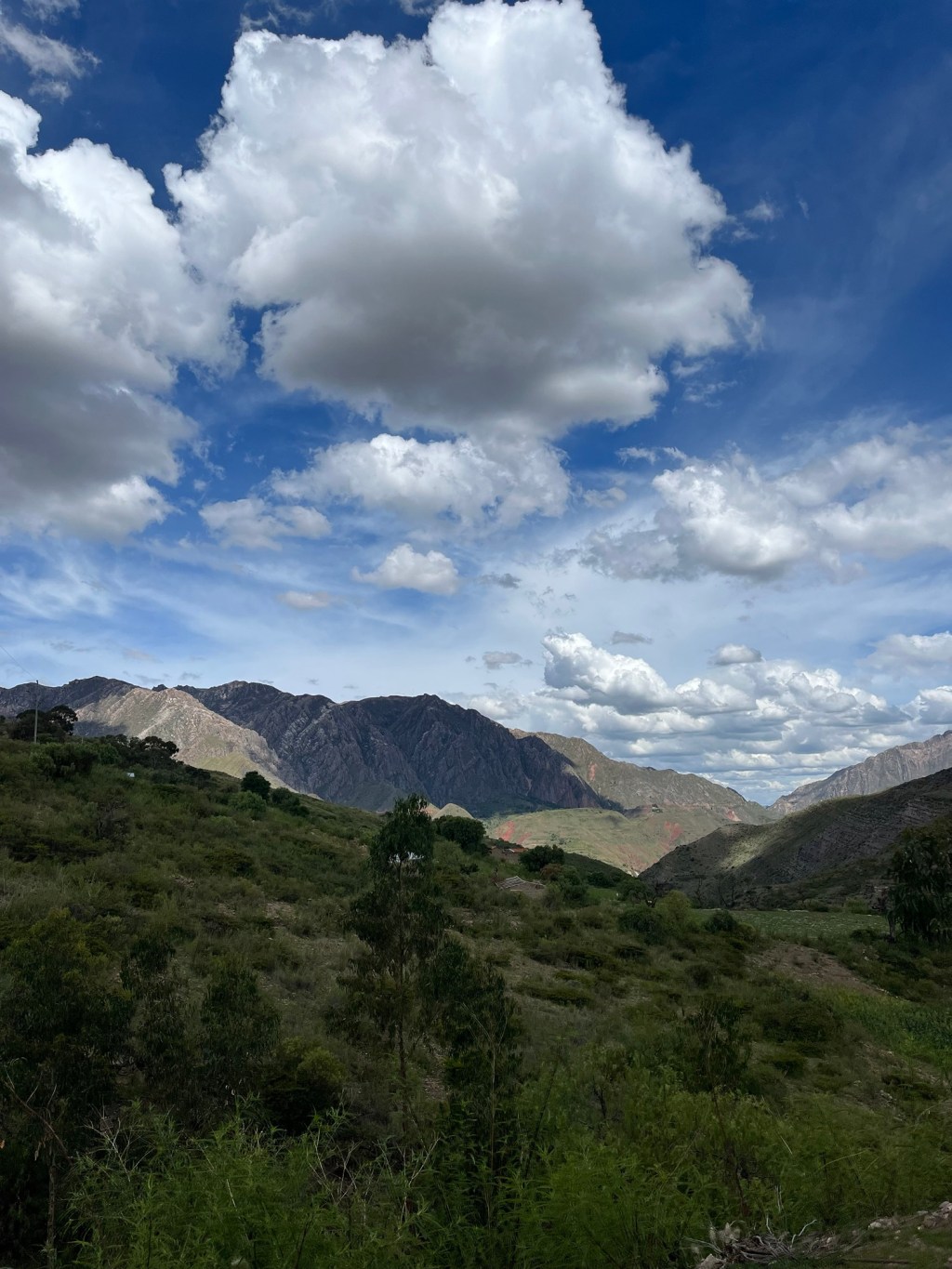
Nestled deep in the middle of Bolivia lies a crater full of verdant fields and a small hardy community. This is the Maragua crater otherwise known as the bellybutton of Chuquisaca. Maragua is located about 45 km away from Sucre, Bolivia’s constitutional capital. If you find yourself in sleepy white-washed Sucre and desire a little bit of nature and a leg stretch, look no further than this excellent hike from Chataquilla to Potolo through the Maragua crater.
What are you getting yourself into?
Ps: a once in a lifetime hike
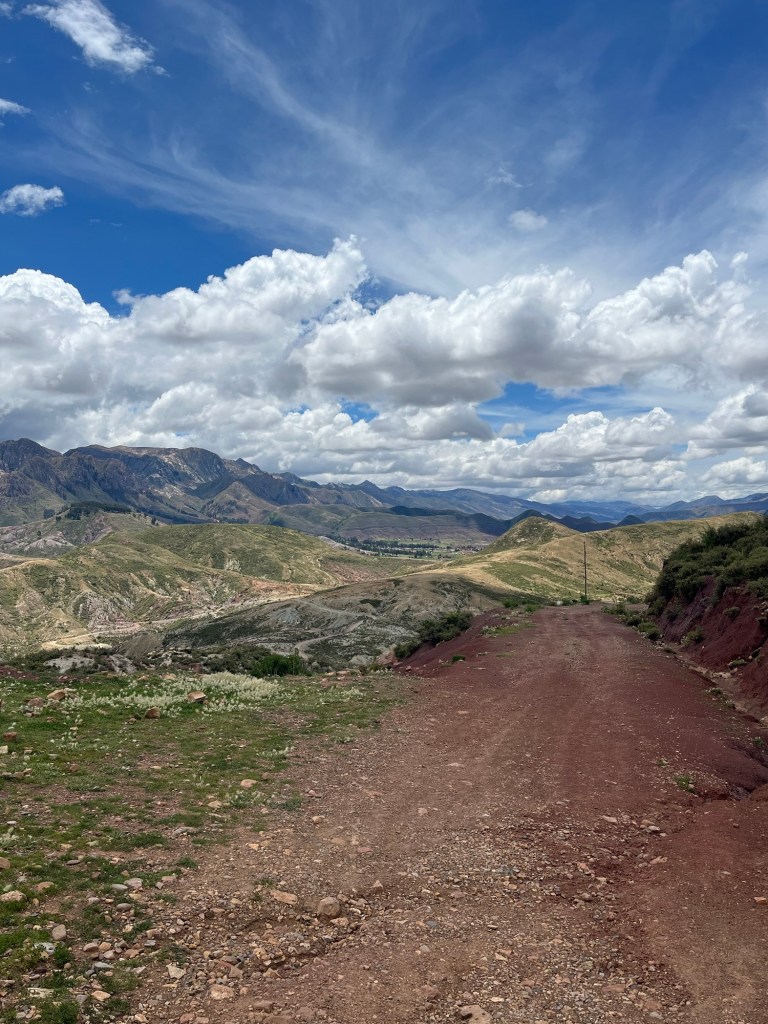
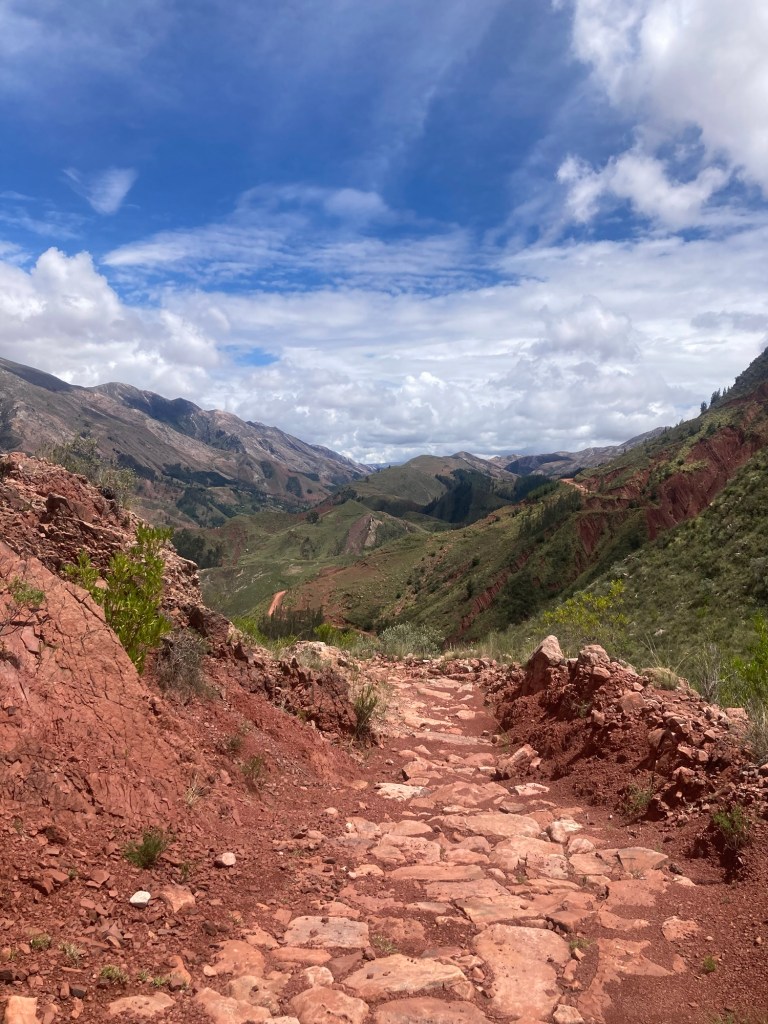
Chataquilla acts as the starting point of this two day hike. It is accessible by minivan bus. Dropping you off at the start of the Inca trail. This is a stunning winding downhill portion of the trail that introduces you to the Andean mountaintops and valleys. As you end that trail you walk up into the high hills leading toward the crater. You are treated to gorgeous views of lush mountains, farm fields and a rushing river. In a word it is stunning.
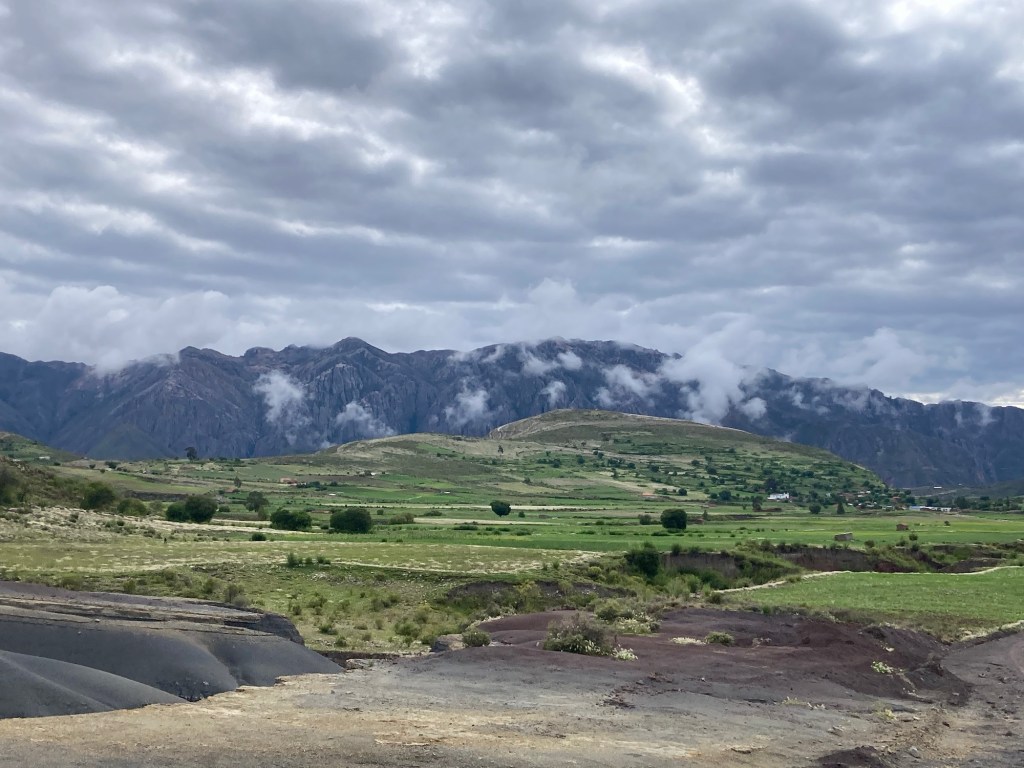
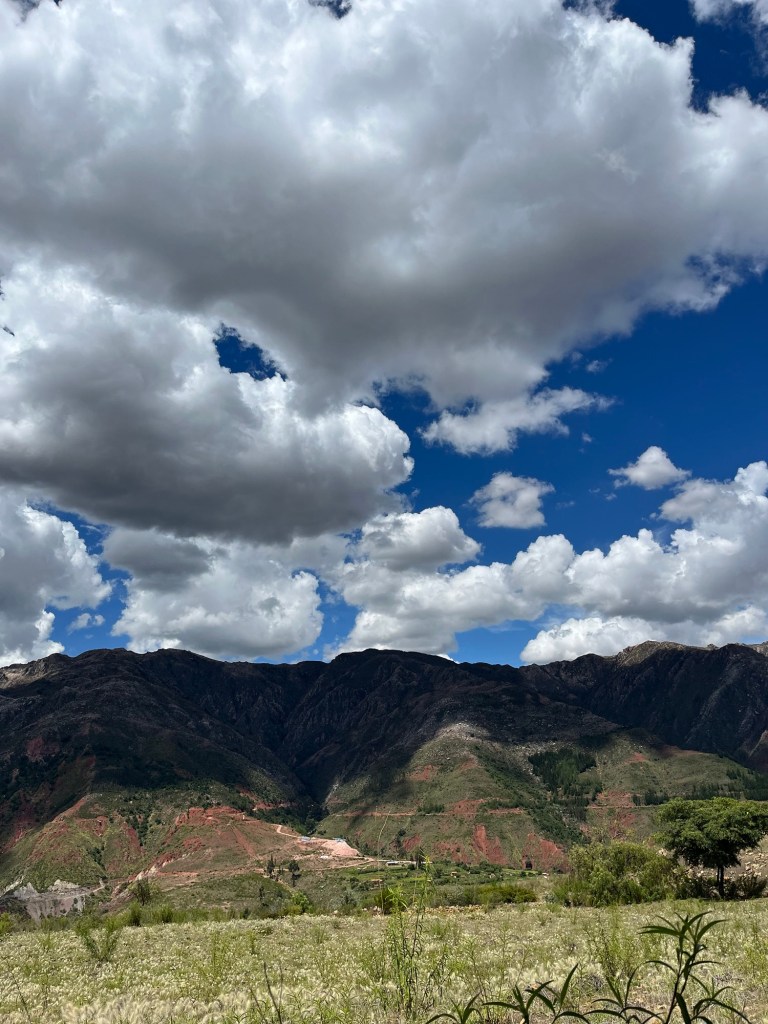
Maragua is the community in the middle of the crater. Composed of dozens of outcropping communities the main town is home to a handful of homes and families. Nestled in the basin of the crater, the town is uniquely located in one of the most striking natural creations in Bolivia. High crater walls in varying shades of green slide into the thriving agricultural fields of the Maragua community.
The journey to Potolo is an upward wind that leads through small farms, high peaks and striking red dirt canyons. The journey is steep to start but rewards you with Swiss-esque fields. The peaks of the Andes are striking and recognizable in their many colours. Finally you are treated to a red canyon type feel as you approach the final destination of Potolo.
The journey is moderately challenging but is rewarding with every turn of the road there are new vistas. Easily done in two days below is the detailed guide on how to plan and enjoy this 2 day Maragua crater hike.
Before you go:
Planning this trip is pretty easy. Some things to keep in mind before you embark on the trip.
- Making sure you have a map downloaded. This one from wikiloc is a great and easy to follow option.
- Day 1 trail and Day 2 trail map
- However Alltrails and Maps.me also have offline maps that follow the path.
- Packing sufficient food is crucial as you will be burning calories and there are not necessarily lunch spots along the way. Stopping at a supermarket and the mercado to find foods that will fuel you for lunch both days is crucial.
- Clothing for this hike means layers. Cool mornings, cold evenings and burning mid-day sun means layers are crucial to enjoy your hike. I suggest a rainjacket, sweater and long sleeve. Shorts are also useful but be sure to use sunscreen because the sun is not likely to show much mercy.
Getting to Chataquilla:
From central Sucre to the starting point of Chataquilla is easy if a bit lengthy.
- Start early in the morning from downtown Sucre. Take a taxi, or walk 2-3 km up to Plazuela San Juanino. Around the corner is the stand for the collectivo to Potollo. When you pay for your ticket indicate you will be dropped off at Chataquilla and the Camino del Inca
- The taxi ride from the center should be 6Bs per person.
- The bus fare is 15Bs per person.
- The bus from Sucre is more of a minivan that leaves once full. They do not run frequently and the morning one can leave between 6am and 9am. In my experience, we arrived at 6:15 under the recommendation of our hostel. However upon arrival the poor driver was still asleep in the van and there was no one around until 7am or so. We didn’t leave until the van was full at 8:15 or so.
- I would recommend arriving no later than 7:30. You do want to make that morning bus as it is the only one in the morning and the hike for day one is about 17km.
- The bus journey from Sucre to Chataquilla has a road time of around 1 hour. Maybe a bit more depending on if a woman calls the van over to sell puppies.
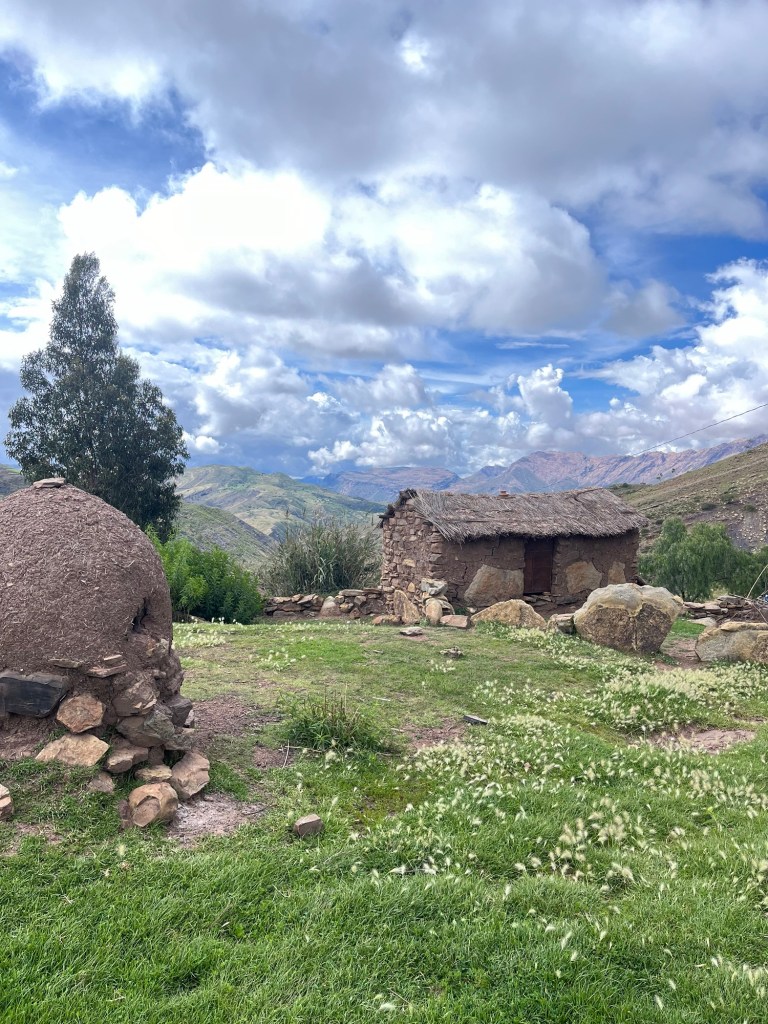
Once off in Chataquilla the trail is easily found and followed. It is about 2 hours of walking along that path, mostly downhill. You end on the road that the buses take. You will also have to pay a fee to the woman in the hut. It is 20 Bs per person for use of the Inca trail.
Arrival in Maragua:
Following the trail from the hut of the Inca trail is very simple. It is a road and is well marked with places to stop for viewpoints.
- As you approach the crater there will be a checkpoint for another 20 Bs entry ticket to visit Maragua. Like before you register and pay with a woman in a hut.
- From there it is about a 1 hour walk into the crater and village. You descend to cross the river, and then it is a steady incline until you cut over the crest into the crater.
- Arranging accommodation can be quite simple, either done in advance or upon arrival. Below is an outline of your options.
Where to stay in Maragua:
- Hospedaje Don Basilio: this is the first lodging you will encounter once entering the village. Senor Basilio does have a whatsapp number but we just knocked on the door. For 50 Bs per person, that included a night’s lodging, dinner of soup, rice and egg, and breakfast of an egg sandwich. Contact him here:
+59168677126
- Nativus Hostel: A bit farther into town but with good whatsapp communication. This hostel offers the same fare. Lodging and food for 50 Bs per person. Contact them here: +59171413460
- Samary Wasi: This was by far the most expensive place in town, however they may offer a bit more comfort or as a backup if you are unable to find space at the other two. For 85-100 Bs per person you once again get lodging and two meals. Contact them here:
+59174435843
There are a couple of others but I could not source information on them. I do believe there are also camping options for those with gear.
Getting to Potolo:
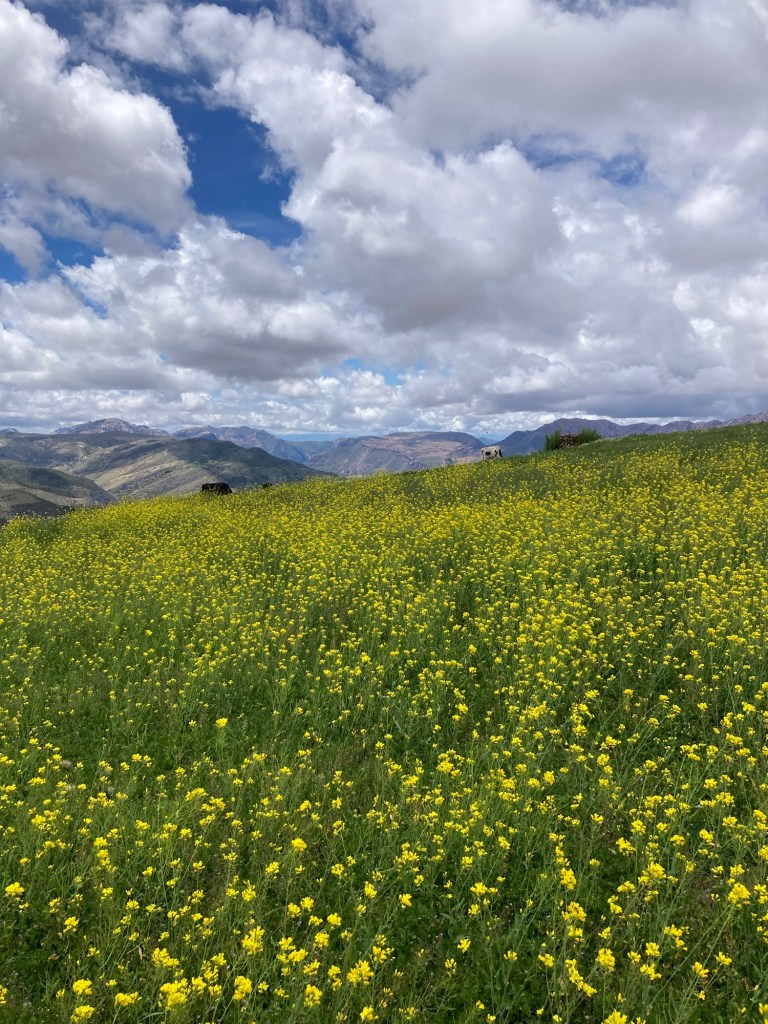
Day 2 is full of steady sweeping inclines, vast farmland and walks through villages. You can even stop to see the dinosaur prints at Ninu Mayu.
- Day 2 is around 20km from Maragua to Potolo. The journey is steep and then tapers off to about 10km of rolling hills.
- From Maragua out of the crater there are lots of shortcut options which save you a bit of time from winding around the car road.
- Plan which time you’d like to arrive back in Sucre. There are two departures from Potolo in the afternoon on the same bus you took on day one… with the same concept. The van leaves at 2pm and 5pm.
- If you want the 2pm van which places you back in Sucre before 5pm plan to leave Maragua earlier around 7 or 7:30.
- If you want to take the 5pm van, placing you in Sucre at around 8pm, plan to leave a bit later or start early and take lots of breaks.
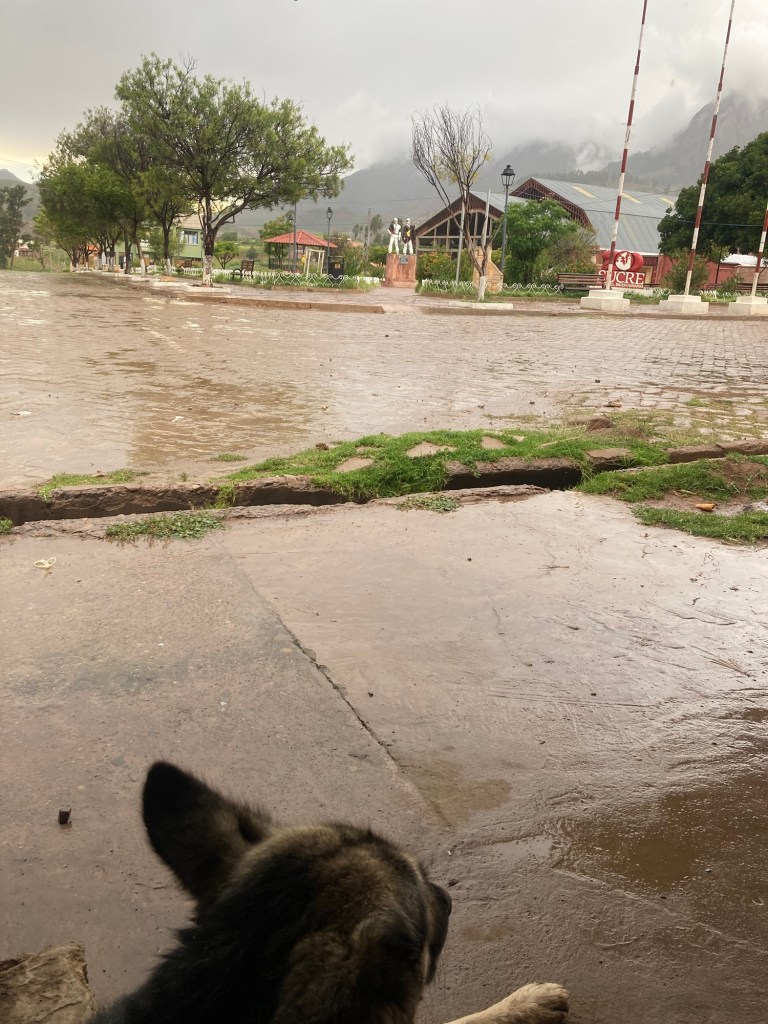
If you end up missing both buses then no worries as there is lodging in Potolo. Inquire at the corner store in the square, here, for options.
Getting back to Sucre:
The 2 hour journey back to Sucre may ask you if you want to walk back but it is efficient and reliable.
- This road is cliffside and can feel quite nerve wracking but with some faith, a pee break and a gang of locals watching your pale face it is manageable.
- The price to return to Sucre is the same 15 Bs. per person
- You are deposited in the same spot you left from the day before, near Plazuela San Juanino. From there a cab or walk back into Sucre central is the same price 6 Bs per person.
Final Thoughts:
The two day hike is around 37km from Chataquilla to Potolo, stopping for the night in Maragua. It is an incredible opportunity to do a hike without a guide and at your own pace. SOmething that is often rare in South America, the Maragua crater is a well-hidden secret of the Chuquiasca region. It offers the participants stunning views, excellent hospitality and a look into the Jalq’a culture. The slower pace of Sucre definitely encourages side-adventures like this because even the most rushed trip can loop in a self-guided two day hike to a crater in Bolivia.
Side notes:
- If you want to do this trip with a guide there are excellent services offered by Green Trekkers. Their prices range and they work to offer the best tour with guides who know the region well. This is another option to support the local communities and learn more about the area.
 GO FURTHER TRAVELS
Leave a comment