Tag: travel

  • 50 countries later: How Travel Shapes Perspective.

    50 countries later: How Travel Shapes Perspective.

    What do we gain from travel?


    I have visited 50 countries, and I am in my 20s. Forty-five of those countries are ones I have travelled to in the past 5 years. Does that statement make me proud? Does it spark any sense of wonder in you? Do you leap right away to an answer—trust fund kid, influencer, daddy’s money, whirlwind tours? And does any of it really matter at all?

    I have had a bag on my back since I was 5 and my parents carted me around Central America. We journeyed across the thin strip connecting North and South America. This was 2005 and my dad was going off a Lonely Planet Guide and a prayer. My mom spent the weeks in advance drilling us on Spanish phrases from a pocket guide. How they arranged hostels and navigated border crossings without phones is, to me—a child of the tech generation—unfathomable.

    Overlooking Cusco 2019

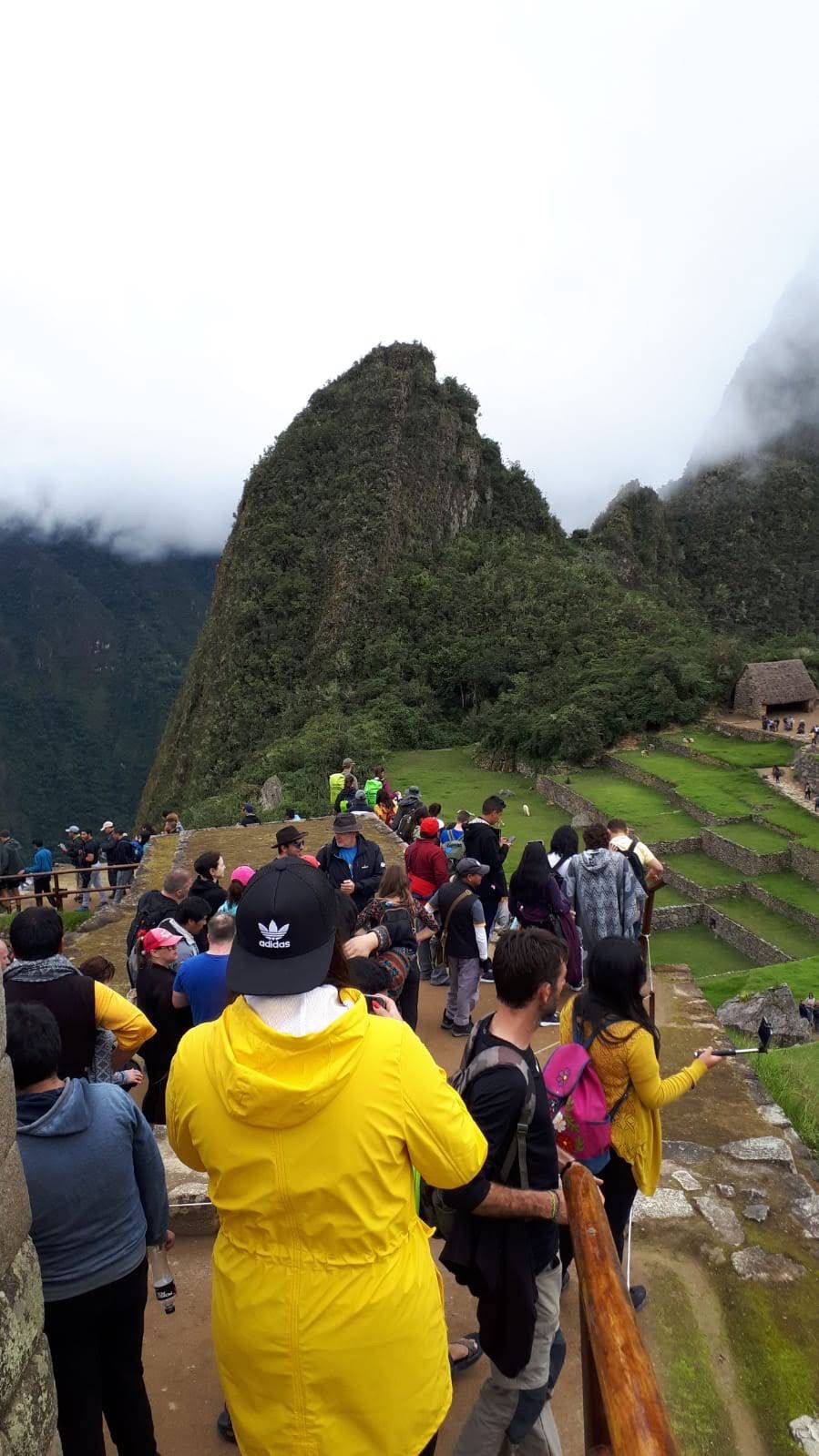
    The first trip I took on my own was to Peru. I had registered for a language course, entirely organized online. Before I boarded my flight I had nearly every detail mapped out. I navigated the ancient sites of Cusco, taking old Inca paths with confidence only a GPS can bring. When I finally stood overlooking the great site of Machu Picchu, the gem of the ancient world, I was unimpressed.

    Deeply and profoundly unimpressed. A feeling that would be echoed multiple times over the next five years. It occurred as I stood in front of Angkor Wat, the Sagrada Familia, and even the Great Pyramids. I have had the opportunity to see these fantastic relics that connect our past to our present. Each time I have been left with a devastating underwhelm.

    I’ve spent the majority of the last three years travelling across dozens of cities and countless sites. It has been a unique privilege to share tea uncomfortably with families I’ll never see again, or to misdirect tuk-tuk drivers and navigate back to hotels in languages I don’t understand. These moments on the periphery of the big sites have arguably impacted me more.

    I see in myself this hyper-dependence on technology. I fear even getting a few streets lost in an unknown place. To the point I’ll even procrastinate booking hotels because filtering through the reviews feels like scaling a mountain. My dependence simultaneously drains me as it helps me. Guides to towns or hikes that others have published inform my choices. Reddit posts of people who have figured it out before me are invaluable when it seems that no hostel owner or other traveler has answers.

    Sagrada Familia 2020

    I recognize that the tool which gives me such support is directly tied to the growing dissatisfaction I have with the “great sites.” These must-see places have fallen short for me, without fail. Their online publicity feels in many ways more tangible than when I face them in person. It is as if their digital proximity creates this illusion of comfort, while the random unplanned encounters—the ones which would disrupt or challenge me—are necessarily out of reach. They can’t be published.

    Before I went to Machu Picchu I researched it obsessively. I had seen hundreds of posts and vlogs on it. I had absorbed the easily discoverable experience of Machu Picchu before my feet had even touched the ground. So when I stood there in the early morning mist with hundreds of other people, I felt…comfortable. I took my place obligingly at the same outpost where others before me had snapped their shots. I could have found that lookout in the dark, having rehearsed and memorized the view from all the media I’d consumed. Machu Picchu is still a remarkable feat, but the experience didn’t match any expectation; it was simply a cog in the greater travel machine.

    Travel, it seems, has become a sort of currency in our culture. We all want it and the status that comes with it. Technology and social media have only deepened our capacity for envy. It also shrinks the distance between a person and a place. Thanks to a 20-second TikTok on Paris, you know exactly where to go when you arrive. I’d argue that it also compels you to replicate the experience of a person before you. In a way that is unique to this generation of multifaceted technology, our experiences in travel become echoes of the people who got there first. So much so that, when we get there, we are so far removed from a place that has come to digitally feel so close.

    Angkor Wat 2023

    At Angkor Wat I dragged myself out of bed for sunrise. The iconic image of the sun lighting up the ancient temple from behind had been seared into my mind. I arrived at the muggy viewpoint amidst a thousand other people. We watched as the fog hid the sun for two hours. Reluctantly, the crowd thinned as it became clear no “Instagrammable” sunrise would reveal itself. Angkor Wat was no less magnificent because of the haze. The expectation I placed on it had diminished the experience. Later, as I wove through crumbling ruins and tripped over giant roots, I finally felt a sense of wonder—a connection and an experience that was mine first, rather than an echo of someone else’s.

    We can’t avoid technology and we can’t avoid rapid globalization. Travel has always aimed for deeper understanding and connection. It’s worth taking a look at our overconsumption—our deep craving—not just for travel but for travel content. Can we ask ourselves why we go somewhere? Do we seek replicable results, or are we willing to challenge and reshape our perceptions? For me, travel is about connections. I seek out places I know little of and then I scroll until I find how to get there, what I need, and what I should see. In short, I make use of the tools that technology provides. Once I arrive, I try to engage as much as possible. I stay a bit longer and skip some sights. I work hard to make that experience mine. Sometimes it is; sometimes it isn’t.

    Sometimes it truly is a replication of what others before me have done—and I have found enjoyment in that too, the same way that Machu Picchu was underwhelming but not boring. Witnessing something through the eyes of the masses doesn’t make it less remarkable; it simply makes it less impactful. That is the key: in every country there are vibrant, remarkable, and impactful moments. In my travels there are always remarkable moments, but only when I have opened myself up have I encountered things that truly left an impact.

    It may sound impressive to have visited 50 countries. It may sound privileged to say that big sites are underwhelming—or it may not matter to you at all. But what has become clearer to me with every new community I visit is this: our undeniable connection is not to the places themselves but to the people. What we risk with overconsuming travel content and focusing hard on big sights is missing out on the genuine connection available to us—the deeper perception that rewards the discomfort of living.
  • Why we can’t enjoy a trip

    Why we can’t enjoy a trip

    Understanding what we want from a trip


    I watched the woman in front of me crumple. The cigarette between her fingers continued to ash. The night was cool, a reprieve from Thailand’s intense spring heat characteristic. Beside me was a German girl, six months deep into a year-long trip. I was about four months into my own equally long journey. The woman across from us fought hard against the tears. Her lips curled around the cigarette, seeking strength. Her eyes betrayed her as she continued in an exasperated tone: “I’ve been here three days, and I’m over it.” She had arrived in Chiang Mai as the start of her six-month Southeast Asian tour. 

    She introduced herself then, abruptly, as if all the vulnerability was a precursor to her name: Lisa. Before she got to a name, all I knew about Lisa was how deeply ashamed she was for not enjoying herself in the first few days of her trip. Before she mentioned her nationality, I knew Lisa had worked for the last year to quit her job for the dream of seeing Thailand. By the time a second cigarette was lit, Lisa from the UK was hurriedly apologizing for burdening us with her discontent. I couldn’t accept the apology—not in good faith and not with the knowledge that I had been in Lisa’s shoes just a month earlier. Lisa, who only wanted to see it all and live the romanticized gap-year vision, was not enjoying herself. Not in the slightest. And I, for one, could relate.

    If I had a penny for every time I cried in a public place in the last three years, I’d have too many pennies. The rooftop of a hostel, tears streaming down my face? Check. Out on the sidewalk,puffy eyes? Check. A bus terminal in the wee hours of the morning, snot clogging my nose? Check. A month before I could sympathize with Lisa, I was leaning against a fire hydrant in Malaysia. It was late evening, and I had arrived that morning on a night bus. The sky was mottled and heavy with clouds. The threat of thunder loomed in the distance, and the humidity of a tropical storm mixed with my tears. I wept as onlookers avoided my eyes.

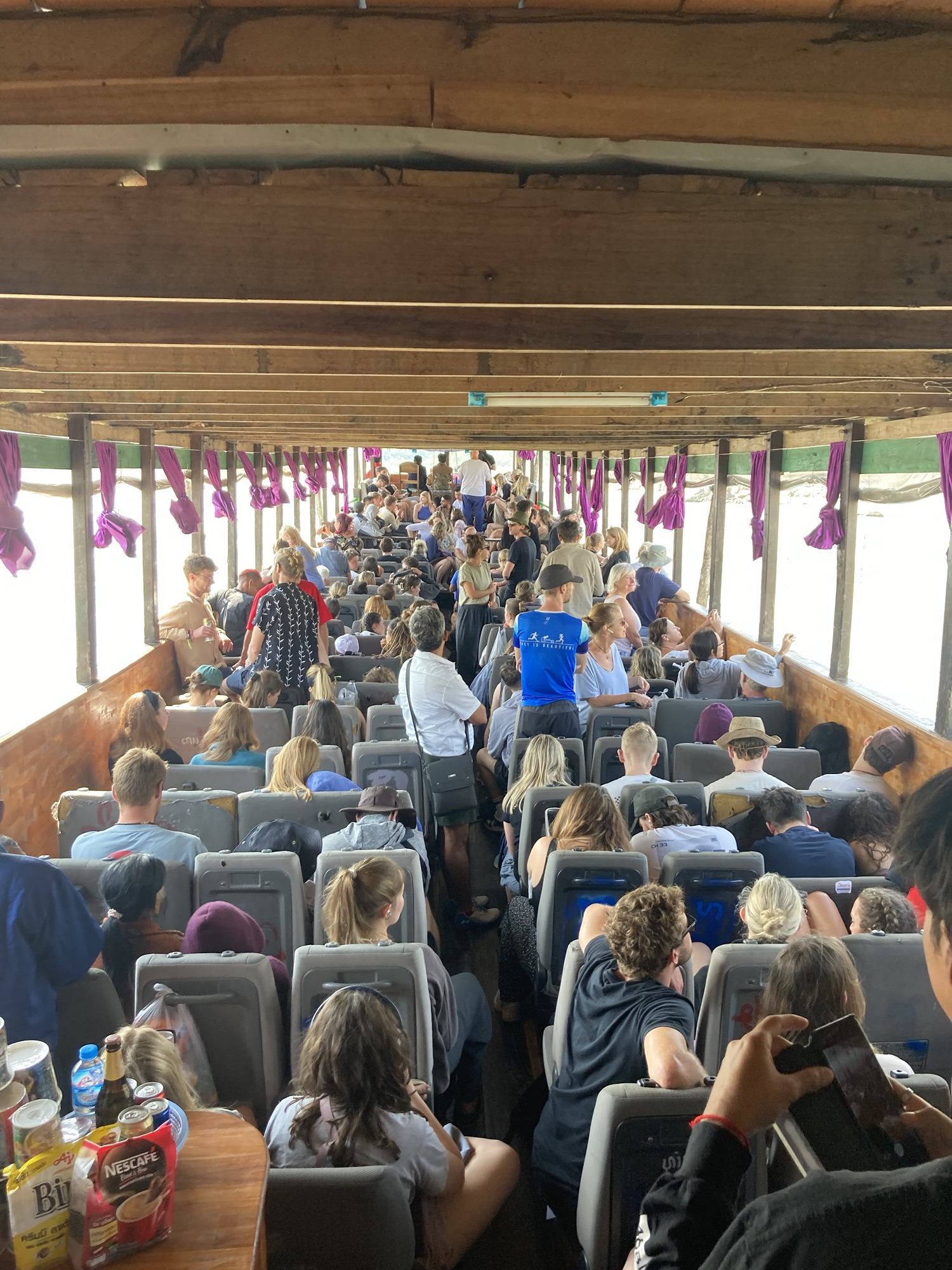
    Lisa had her hair pulled back in a slick ponytail. She fit in well with the backpacker look of the time—flowy linen pants in a shade of blue. My own matching pair was green. Birkenstocks adorned her feet and the German girl’s as well. In fact, if you were backpacking in Southeast Asia and weren’t wearing Birkenstocks, you were wearing Tevas, like me. Our name-brand backpacks and matching microfiber towels united the hordes of tourists that flocked to the sunny, cheap havens of Southeast Asia. We all looked pretty similar, followed similar routes, and seemed only to differentiate in the varying degrees of satisfaction with our trips.

    Lisa was less than a week in and unhappy. She explained the isolation, the lack of access to understanding the local culture, and the overwhelming options to do for the sake of doing. The German girl was more satisfied, having translated her hobbies from home into a new location. She would go rock climbing every day and cafe-hop in the afternoons. At that point, I could be placed somewhere in between. I found myself oscillating daily between the horrifying fear that I was missing out and the satisfaction of doing what I wanted.

    A month before, I was crying not because I was lonely or afraid but because I felt so deeply ashamed. I was in Borneo, a mystical land of jungle and wildlife. And the truth was, I was miserable. I wasn’t having fun, and when I looked around, all the people in their matching outfits and travel gear seemed enchanted. They were doing all the cool, exciting things, having the time of their lives. And there I was, paralyzed by choice and, worse, out of touch with any real concept of Malaysian culture. I was crisscrossing the region on long buses, filling my time with the top 10 things to do in Borneo. Nighbuses, dingy hostels and sidewalk meals left me depleted, exhausted and full of shame. I felt ashamed of the privilege I was wasting. Deeper than that, I felt it was a champagne problem to complain about not having fun. Who was I to complain about being spoiled for choice? Furthermore, who was I to complain about having the dream trip so many others longed for?

    Lisa’s experience wasn’t identical to mine, but the parallels existed in the isolation and overwhelming emotions. However, our strongest overlap was the guilt we felt for having imperfect travel experiences. In our attempts to achieve the idealized dream of backpacking, we both found ourselves falling short and guilt-ridden as a result. In trying to adhere to all the must-do activities of each place, to never feel alone despite solo traveling, and to enjoy every single moment, we inevitably failed to keep up.

    Before meeting Lisa but after crying on the fire hydrant, I broke down about a dozen more times. And since meeting Lisa almost two years ago, I have cried multiple times more. There seems to be no end to the ebb and flow of deeply impassioned travel and lackluster adventures that leave me drained. It does seem easier now than it did before. I can only attribute this to the realization that traveling and life are not mutually exclusive. Being in a dorm room on the other side of the world does not exempt you from being human. Feeling unsatisfied or overjoyed are not solely dependent on how many night buses you’ve taken that week. In fact, when we romanticize an experience, we do ourselves a disservice. We ask not to feel it but simply to perform it.

    Hiking a mountain in Malaysia, once romanticized, is no longer the experience of gasping for air at high altitude and the relief of reaching the top. It becomes simply the tagline: “I’ve hiked that mountain.” When we strip the emotion and turn experiences into checklists, we install a pressure that removes us from the moment. Instead of being selective, we simply check a list. We miss out on roadside chats with strangers and getting lost on the way to a market. What a disservice to ourselves and the experiences we endeavor to have. We reduce a country to its Lonely Planet list and, without caution, can leave without any true understanding of its people and culture. Of course, that isn’t most people’s intention, but it is a side effect of the peer pressure to do it all. It is unfair to spread ourselves thin and, worse, to inadvertently learn nothing of the place we visit.

    Lisa, I hope, found her rhythm—or at least gave herself a little bit of grace. Because truly, that is all we can do, in life or in travel. To give ourselves the grace to not always enjoy every moment, without penalization. To accept that we can’t do it all, and to instead focus on what we actually want. Maybe, in that, we can find a bit more peace.

  • Thoughts on the Guided Tour

    Thoughts on the Guided Tour

    Is taking an organized tour genius or cheating? Maybe somewhere in between?


    Whether fueled by the teenage desire to get far away from my hometown or divine providence took me to Madagascar, it was a longtime dream. The mystery of that funnily shaped island in the Indian Ocean. The allure of lemurs and baobabs and beaches people have never been to or even heard of… that was the call of Madagascar.

    So when two good friends were planning a trip to Africa, with Madagascar lopped in with Tanzania and Kenya, I leaped(much like a lemur) onto it. The trip was mostly planned save for the Madagascar leg. As we researched more in preparation for the trip I realized just how out of depth we were. This not-so-little island off the coast of the African continent became more and more daunting. Let alone the fact that the 3 of us were pretty green travelers, the more we researched the less easy it seemed to visit. The country receives under half a million tourists a year and is far far off the beaten path of Africa-based tourism. Public transport was deemed unsafe by countless blogs. Going most places without guides was not recommended by our home-countries advisories. A whole spiel of fear-mongering came with the reality that we were headed to this unknown corner of the world.

    So to curb our own anxieties and still visit this country we decided to arrange a tour. The tour was 2 weeks in the southeastern area of the island. In short- it was exceptional. The tour was easy and efficient. It took us to places that no busses run to. We hiked and swam and ate in relative comfort. We developed a rapport with our two private guides and understood their views of the country. We even convinced them to take us to local restaurants halfway through the trip. It was comfortable and eye-opening and if I’m honest I would never have to do it again.

    The pros were innumerable but the cons were discovered on the ground and while not many did not inspire me to do it again. The constant moving around and having to be in social mode with the guides was not very compatible with my natural state of introversion. Then I felt the lack of interaction with people outside the tourism sector, and the western-geared food experiences hindered what maybe would have been a different more organic experience had we done it ourselves.

    But it was exactly what we needed to feel comfortable being so out of our comfort zones. That is the kicker. Sometimes when traveling it is OK to take the comfortable option. Madagascar from outside of the country seemed mythical and intimidating. Hundreds of questions plagued us leading up to arrival: How were we going to book buses? Didn’t we read the story about the tourists who got mugged in XYZ city? Why can’t I find any hotels for this town on Booking? The uncertainty was endless.

    So when we found a tour that was within our budget and visited all the spots we wanted to see, we leaped (three lemurs this time). Arrival into the capital city was surprisingly easy… no harder at least than any of the other countries we’d been to. Then the hostel we had booked was also surprisingly comfortable. We spent two days before the tour settling into the capital of Antananarivo. The city was like most of the other African capitals I’ve visited, functional and busy. The stark comparison was the lack of development and the more colonial-era architecture. This however was not the daunting country we had feared before arrival.

    Then we embarked on the tour. It was organized and in many aspects quite isolated from any local contact. Often times I would ask what the guides were eating and try and order the same… I was often dismissed and instead offered the “American” menu. This was normally a variety of soggy or flavorless Western specialties. Other times we were invited into people’s homes, workshops, and studios. Here with no pressure other than to learn how they create or live or even just to share a cold drink. It was a give-and-take. We sometimes convinced the guides to stop at the hole-in-the-wall food stands and they sometimes convinced us to have mini photoshoots any time we saw an endemic species. But the longer we stayed in Madagascar the more we realized that we would have been capable of traveling through the country on our own.

    The country spread beneath us as we continued on the tour. 2 weeks led us from the lush jungles of Ranomafana to the dry plateaus of Isalo National Park to the crystalline coast of Ifaty, no two days were the same. The people we met from the guides who helped us climb up boulders on the lookout for ring-tailed lemurs; to the kids who stopped us for pictures in the downtown of a small gas-break city, there was no end to the stimulation of all our senses. It was overwhelming and eye-opening. In many ways it was enchanting and in many other ways, it was humbling. I will never unsee the vastness of untouched and pristine land along the plains of the southern highlands. Nor will I ever forget the realization of the privilege I have to even write this as day after day we understood the challenges Malagasy people face to get by and to improve their stations in what is often a hard life.

    How could we have known all that from our homes thousands of miles away? During the planning stage, Madagascar was always the wildcard. Whether we liked it or not, our apprehension led us to choose a tour. But I am convinced that that was not such a bad choice. While I never need to do an organized 2-week tour again… the benefits, the peace of mind, and the access that this tour gave were undeniable.

    Places like the Anja reserve would have been completely inaccessible by public transport. The smaller park sits at the foot of a mountain, off one of the highways, and is easy to miss. It was however one of the highlights of that tour. As soon as we left the car, a man ran up and propelled us to a massive standalone tree. Nestled in the low branches, a foot from my face was a family of round-eyed, ring-tailed, completely unfazed lemurs. That afternoon is today, a year later, crystal clear in my memory. As is the day when we stopped for lunch in a small town. Our guide ran off on the hunt for a restaurant, and we wandered around sticking out like sore thumbs. Our guide returned, forlorn that there was no “restaurant”, he proposed a move onto the next town or if we would tolerate it, a meal at a local joint. He found a small tin-roofed shack that smelled fantastic. A huge pot of boiling something welcomed us as did the man serving it who seemed to be 100 years old. It was tasty rice soup with chicken and herbs, and better still was the conversational mishmash of Malagasy, French, and surprisingly, German. These two experiences, which are a fraction of that 2-week tour, are technicolor in the huge jumble of travel memories I have.

    My theory is that sometimes doing the easier thing is the right way to go…especially in the travel world. Traveling today means you’re exposed to a lot of articles on how to get off the beaten path and hundreds of videos on how to visit every country in the world. The “how to have the most unique and unforgettable experience” often tempts me into taking riskier decisions or worse, into feeling like a failure when I opt for the “easier” or more “touristy” option.

    My experience in not only Madagascar but in a number of other countries has convinced me that working to find comfort in those uncomfortable locations is the best way to go. If you are nervous to solo travel, then consider joining a group to start and then work your way up to solo traveling. If you are nervous about a certain region, see which area is the most tourist friendly and set yourself up for a week there. Travel isn’t always going to be easy. The joy is that we can learn from the discomfort, grow more confident in our abilities and have a deeper understanding for different cultures. But making small decisions that allow you to dip your toes in as opposed to diving in, make the experience more intentional and personalized to you.

    After two weeks in a van crusading around what now felt like a very comfortable country, we were back in the capital. Being without a guide we realized the benefit of the last two weeks, evident in knowing how to say a few words in Malagasy, recognizing different street food dishes, and overall feeling more comfortable navigating the city. The moral of the story is adapting to your comfort level when you’re already reaching outside of that zone, is not a bad thing. In fact, it’s pretty cool because I don’t know about you? But I would much rather be the girl who bit the bullet and took a tour in Madagascar or any country for that matter, than the one who didn’t try for fear of not doing it “right”. End of the day, there is no right or wrong way to travel, as long as you are being intentional and respectful to yourself and those you meet on the road.